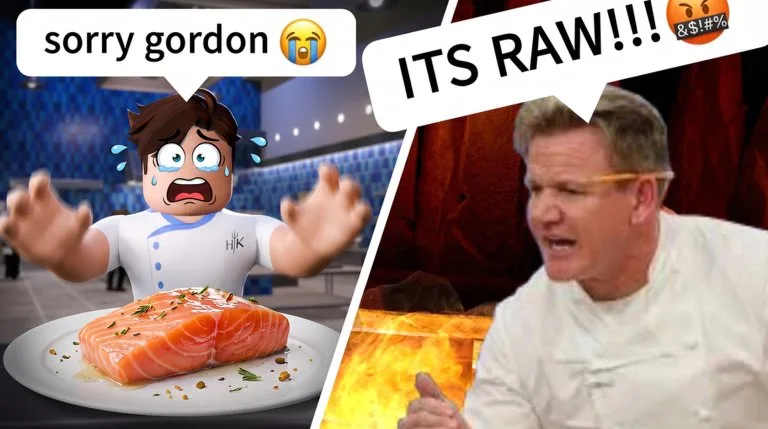
After service, the team average picks the losing color. Your best personal plate can still send that kitchen to the block. A quiet mid-score chef on a stacked team may never stand up. Cook for the brigade first. The season frame is on How to Win.
Standard vote
With several chefs left, discussion usually focuses on the two lowest scorers:
- Repeated burns, raw serves, or sent-back dishes
- AFK, silence, or blocking a station
- Sabotage that hit teammates
- Very few completed dinner tickets
Defend with one or two facts: tickets finished, fires fought, stations restored after an Imposter disable. Own one mistake. A long speech while the next service loads loses the room.
Vote the chronic throw or the AFK. Do not spend the vote on a single bad Blend, and do not revenge-vote your highest scorer over an old fling. Check whether someone already holds Elimination Immunity before you treat their name as finished. Immunity does not exist in Difficult.
Bottom two
When only two chefs remain on the losing side, the lower score is often removed with no speech. Tied votes and a chef left alone on a color can also force the lowest score out. If you are paired with a stronger cook on a sinking team, you either out-plate them that service or hold Immunity in Standard.
Imposter tables
If stations actually died, the vote may shift from worst cook to who broke the kitchen. Useful reads: who stood on a station as it disabled, who plated nothing while touring every aisle, and who accuses instantly with no example. If nobody can show a disable, do not run a witch hunt. Normal scoring resumes.
Portrait burn and Revive
Version 2 added the portrait burn, and version 3 guides still describe it. During that sequence you may be offered a Revive for 20 Robux.
Take it when friends are still in a realistic jacket run and the elimination was a fluke fire, Imposter turn, or disconnect. Skip it when the lobby is already decided or you need a clean practice queue more than this season. Spectating is free: watch meter pulls and fire paths.
After a shuffle
Colors stop meaning the old alliance. Prove the next service with clean tickets, rebuild short callouts, and drop the grudge. Campaigns about original Blue loyalty do not plate food.
Soft habits that stay off the block: apologize once, call fires early, help a teammate Serve, and learn new recipes when you are safe rather than when you are already bottom two.